What to Expect During a Professional Wildlife Removal Visit
People seeking wildlife removal typically want pests safely removed and excluded; local service providers can handle the process professionally and effectively.
If you’re curious about what to expect during a professional wildlife removal visit, you’re in the right place. Property owners in the area often seek out these services to address unexpected wildlife intrusions that can cause property damage or pose health concerns. Understanding the process can help alleviate any concerns and prepare you for a smooth experience. Typically, local contractors will assess the affected areas, identify how animals are entering, and determine the best humane methods to remove them. This visit is designed to be efficient and thorough, ensuring that wildlife is safely and effectively removed from your property.
During a wildlife removal visit, property owners can expect a clear explanation of the steps involved, as well as a focus on humane practices. Local service providers will inspect the property for entry points, remove any animals present, and suggest ways to prevent future intrusions. The goal is to restore safety and peace of mind, with minimal disruption to your daily routine. Keep reading to learn more about how professional wildlife removal services can help protect your property and ensure the job is done properly.
- Bird removal services are needed when birds have nested in attics or eaves, and local contractors assess entry points to safely remove the birds and prevent future access. Raccoon exclusion involves addressing raccoon activity in chimneys or crawl spaces, with service providers using humane techniques to remove animals and seal entry points. Squirrel removal is required when squirrels are found nesting in walls or attics, and local experts carefully trap and remove them while restoring damaged areas. Bat removal services are sought when bats roost in buildings, with professionals safely guiding bats out and sealing roosting sites to prevent re-entry. Rodent control is necessary when mice or rats invade homes, and service providers implement trapping and exclusion methods to eliminate infestations.
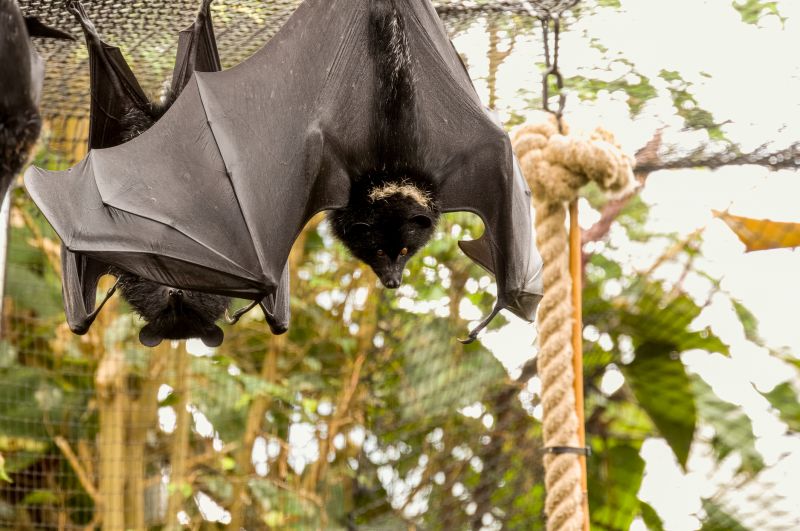
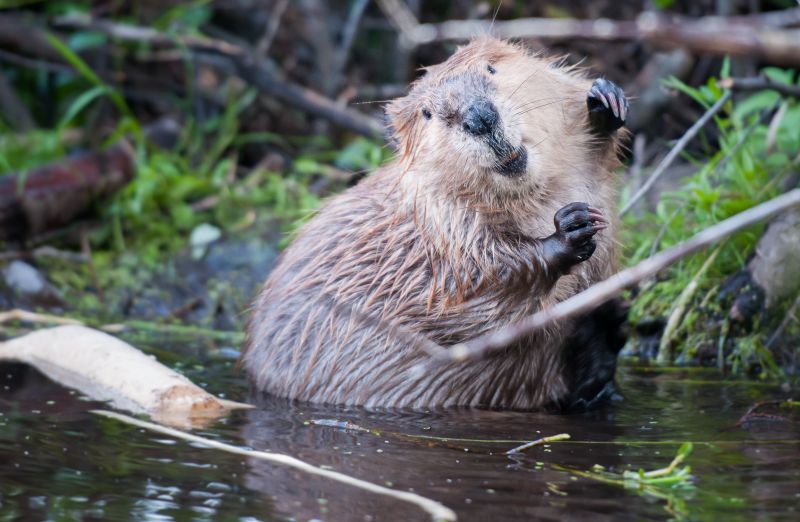
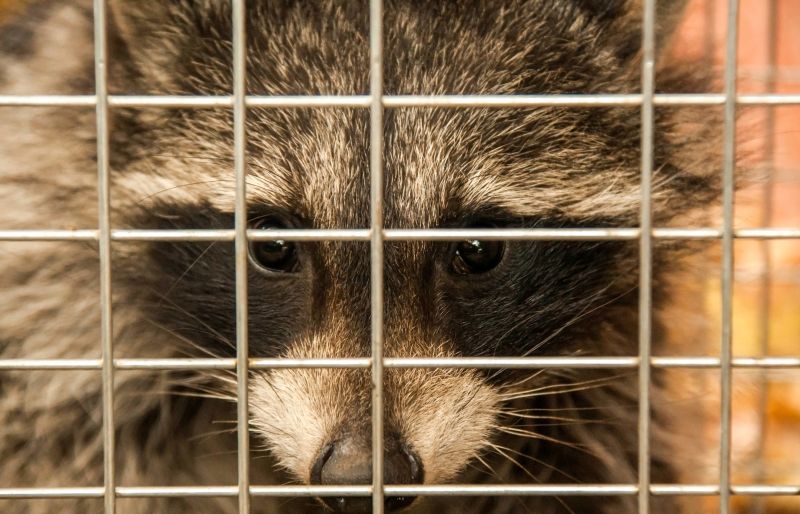
When people search for what to expect during a professional wildlife removal visit, they are often trying to understand the process involved when a trained service provider addresses animal intrusions on their property. This includes gaining insight into how wildlife specialists assess the situation, what methods they use to safely remove animals, and how they handle the cleanup or repairs afterward. Homeowners want to know that the process is thorough, humane, and minimizes disruption to their daily routines. Understanding these aspects helps set realistic expectations and reduces uncertainty about what will happen during the visit.
Wildlife removal services are typically sought out for problems involving animals that have entered homes, attics, garages, or other structures. Common issues include raccoons nesting in attics, squirrels in wall cavities, bats roosting in eaves, or birds nesting in vents. Many property owners plan to remove these animals and prevent future intrusions. The visit usually involves identifying the species involved, locating entry points, and developing a plan to safely remove the animals while protecting the property. Professionals often recommend exclusion techniques to ensure animals cannot re-enter, which is an essential part of the process for long-term solutions.
The types of properties that come up during wildlife removal visits are often residential homes, but they can also include commercial buildings, barns, or other structures that provide shelter for wildlife. Homes with accessible attics, soffits, or roof spaces are common targets for animals seeking shelter. Properties situated near wooded areas, water sources, or other natural habitats are more prone to wildlife encounters. During a visit, service providers typically inspect the entire property to locate all potential entry points and nesting sites, ensuring the removal process addresses the root of the problem rather than just the visible signs of animal presence.
Understanding what to expect during a professional wildlife removal visit helps homeowners prepare for the process and recognize the role that local service providers play in resolving these issues. These professionals bring expertise in safely and humanely removing animals, sealing entry points, and advising on measures to prevent future problems. While the specifics may vary depending on the animal involved and the property’s layout, most visits follow a similar pattern: assessment, removal, exclusion, and cleanup. This approach ensures that the property is returned to a safe, animal-free state, giving homeowners peace of mind that the situation is being handled effectively by experienced local contractors.
Attic Inspection Services - local contractors often perform detailed attic inspections to identify signs of wildlife activity, which is essential for planning effective removal strategies.
Exclusion and Sealing Projects - professionals use specialized tools and planning to seal entry points, preventing animals from re-entering after removal.
Animal Trapping and Removal - wildlife removal experts employ humane trapping techniques that require knowledge of animal behavior and appropriate tool use.
Damage Repair Services - local service providers may handle repairs to property damage caused by wildlife, ensuring the area is secure and restored.
Sanitation and Cleanup - experts often provide cleanup services to remove droppings, nests, and odors resulting from wildlife activity.
Consultation and Prevention Advice - wildlife professionals offer guidance on preventing future infestations through planning and property modifications.
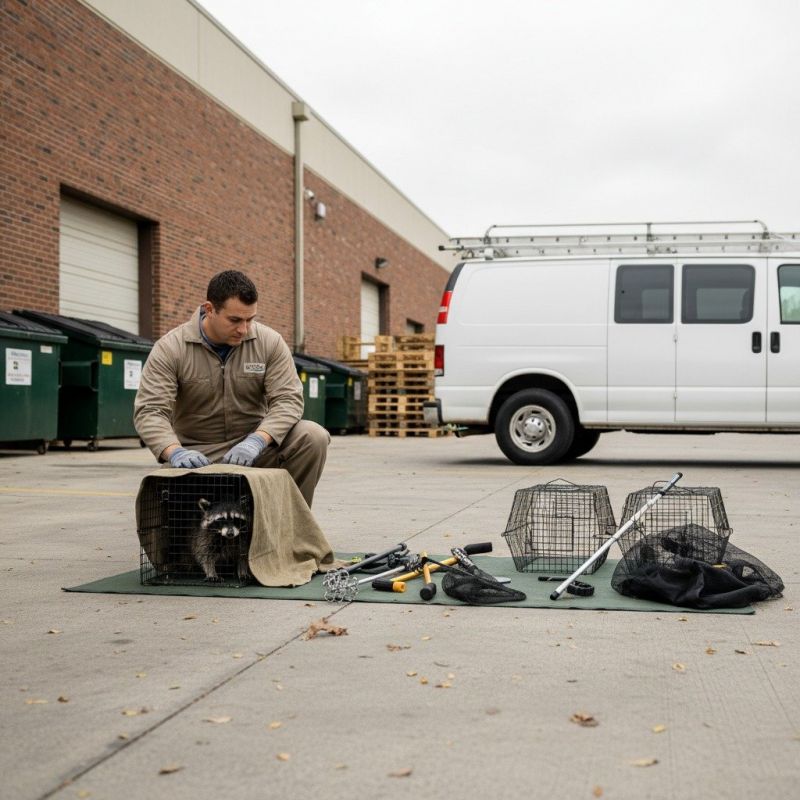
When evaluating wildlife removal service providers, it is important to consider their experience with similar projects. Homeowners should inquire about the types of wildlife they have handled and the environments they have worked in, ensuring that the service provider has a proven track record with issues comparable to their own. An experienced local contractor will be familiar with common wildlife behaviors and effective removal techniques, which can contribute to a smoother and more efficient process during a wildlife removal visit.
Clear, written expectations are essential for understanding what the service will entail and what the homeowner can anticipate during a wildlife removal visit. Reputable service providers should be able to provide detailed descriptions of their process, including inspection procedures, removal methods, and follow-up steps. Having this information in writing helps prevent misunderstandings and ensures that homeowners are fully aware of the scope of work, what to prepare for, and any necessary post-removal actions.
Good communication and reputable references are key indicators of a reliable wildlife removal service. Homeowners should seek out service providers who are transparent about their methods and willing to answer questions openly. Additionally, requesting references or reviews from previous clients can provide insight into the quality of service and the professionalism of the contractor. A service provider who communicates clearly and has positive feedback from past customers is more likely to deliver a positive experience during the wildlife removal process.
Property owners often search for what to expect during a professional wildlife removal visit when they are planning practical projects around their homes and businesses. Local pros provide Wildlife Removal services for everyday jobs and straightforward project options.
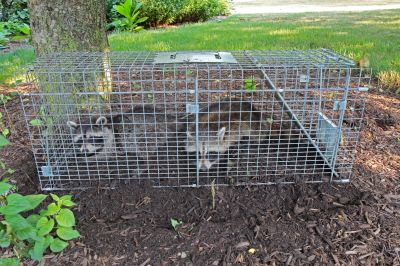
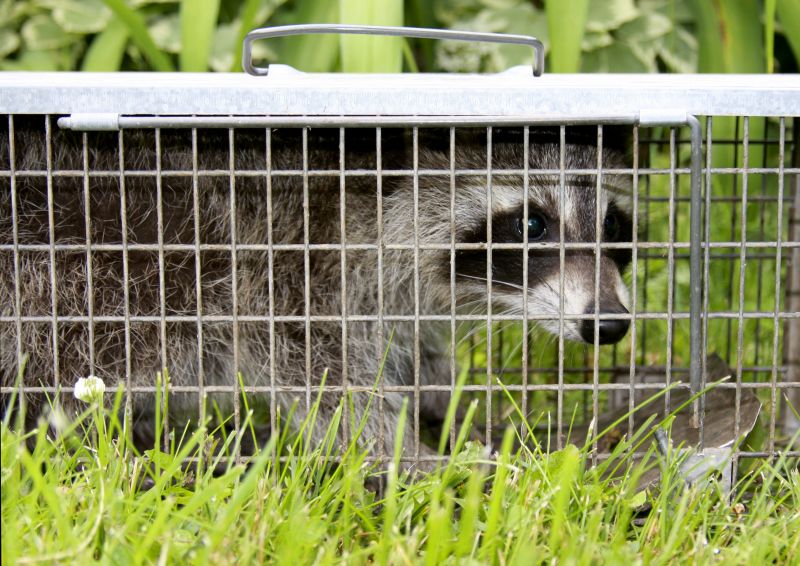
During a professional wildlife removal visit, property owners can expect a thorough assessment of the affected areas. Local contractors typically begin by inspecting the property to identify signs of wildlife activity, such as droppings, damage, or entry points. They may also listen for sounds or observe movement to determine which animals are present. The goal is to understand the extent of the issue and develop a plan tailored to safely and effectively remove the wildlife, often without causing harm to the animals or property.
Throughout the visit, service providers will usually explain their approach and the steps involved in the removal process. This can include sealing entry points, setting traps, or using humane deterrents. Property owners should anticipate some level of disruption, as the removal process often requires access to attics, basements, or crawl spaces. Once the wildlife has been safely removed, local contractors often provide guidance on preventing future issues, helping owners protect their homes from recurring wildlife intrusions.
What happens during a professional wildlife removal visit? During a wildlife removal visit, local contractors typically assess the affected areas, identify the species involved, and determine the best removal methods to ensure humane and effective removal.
Will the wildlife removal technician inspect my property? Yes, the technician will conduct a thorough inspection of your property to locate entry points, nesting sites, and signs of wildlife activity to develop an appropriate removal plan.
What tools or equipment do wildlife removal professionals use? Local service providers often use specialized tools such as traps, protective gear, and one-way doors to safely and humanely remove wildlife from your property.
Are there any precautions I should take during a wildlife removal visit? It’s recommended to keep pets indoors and avoid disturbing the wildlife or the technician during the visit to ensure safety and efficiency.
What should I expect after the wildlife removal is complete? After removal, local contractors may seal entry points and advise on preventative measures to prevent future wildlife intrusions, helping to protect your property long-term.
Preparation and assessment - Property owners can prepare for the visit by securing pets and removing personal items from affected areas, allowing local contractors to assess wildlife activity effectively.
Inspection process - During a wildlife removal visit, professionals will inspect the property to identify entry points and signs of animal presence, helping owners understand the scope of the issue.
Remediation steps - Local service providers typically explain their plan for humane removal and exclusion, guiding property owners on how to support the process.
Post-removal advice - After the visit, contractors often offer recommendations for property modifications to prevent future wildlife entry and ensure long-term protection.
If you are thinking about what to expect during a professional wildlife removal visit for a property, this guide is meant to help you understand this topic, the typical project types, and how different options might fit your plans.
When you are ready, you can use the quote form on this page to share a few details about your project. From there, local pros can review the basics and follow up with options that match what you have in mind.