Why Commercial Small Animal Control Requires Professional Expertise
People seeking commercial small animal control often need expert services to safely and effectively handle pest issues, which local service providers are equipped to provide professionally.
Understanding why commercial small animal control requires professional expertise is essential for property owners facing these issues. Small animals like rodents, raccoons, or squirrels can cause significant damage to buildings, wiring, and insulation, leading to costly repairs and safety concerns. Engaging experienced local contractors ensures that these pests are managed effectively and safely, reducing the risk of recurring problems and potential health hazards. Whether managing a retail space, office complex, or industrial site, property owners benefit from the practical knowledge and specialized tools that professionals bring to the job.
For those exploring this topic, it’s clear that tackling small animal issues is more complex than it might seem. Proper identification of the pest species, understanding their behaviors, and implementing targeted control methods require skill and experience. Local service providers who specialize in commercial small animal control are equipped to handle these challenges efficiently, helping property owners protect their investments and maintain a safe environment. Continuing to read can provide valuable insights into the importance of professional expertise and how local contractors can assist in resolving these urgent concerns effectively.
- Commercial building inspections often reveal signs of small animal activity that require professional assessment and removal by local contractors. Pest removal in commercial settings demands expertise to safely and effectively handle infestations without disrupting business operations. Wildlife exclusion work involves specialized techniques that local service providers use to prevent future animal entry and ensure long-term solutions. Damage repair caused by small animals in commercial properties calls for skilled contractors who understand the structural vulnerabilities involved. Ongoing monitoring and prevention strategies provided by local pros help maintain a pest-free environment and address complex issues beyond basic removal.
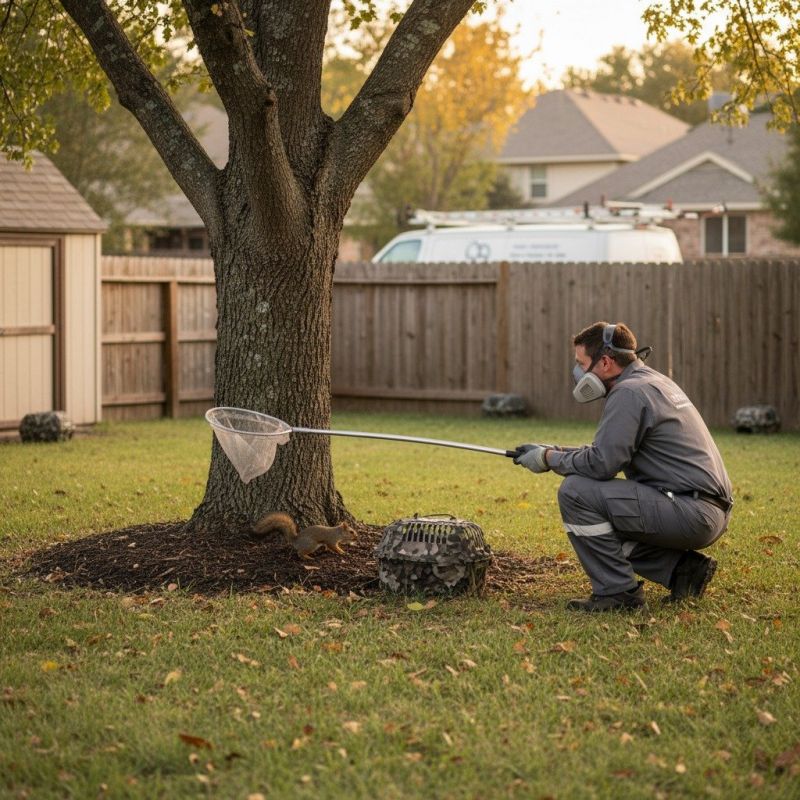
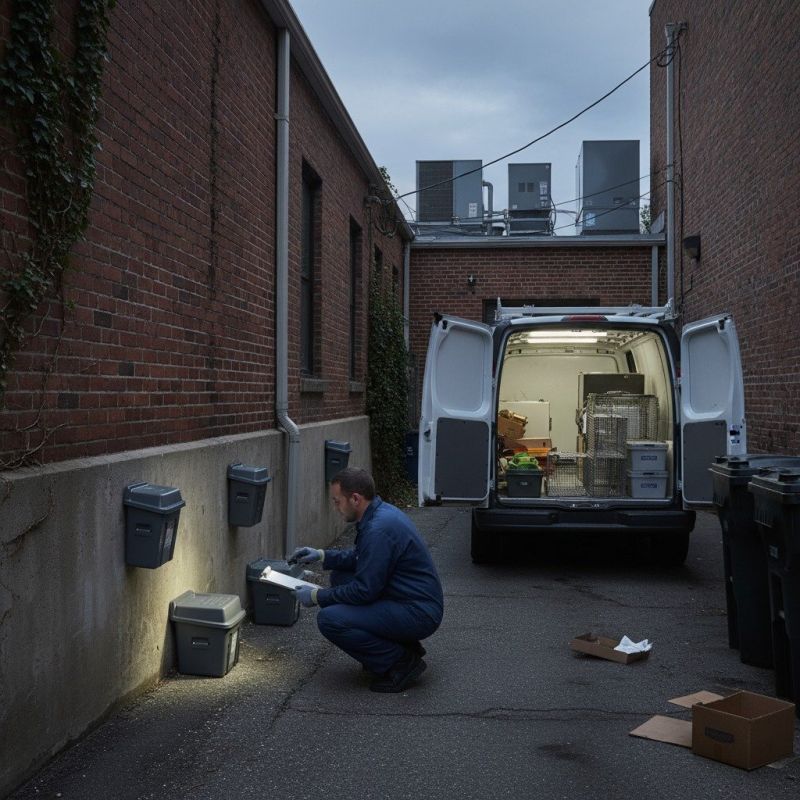
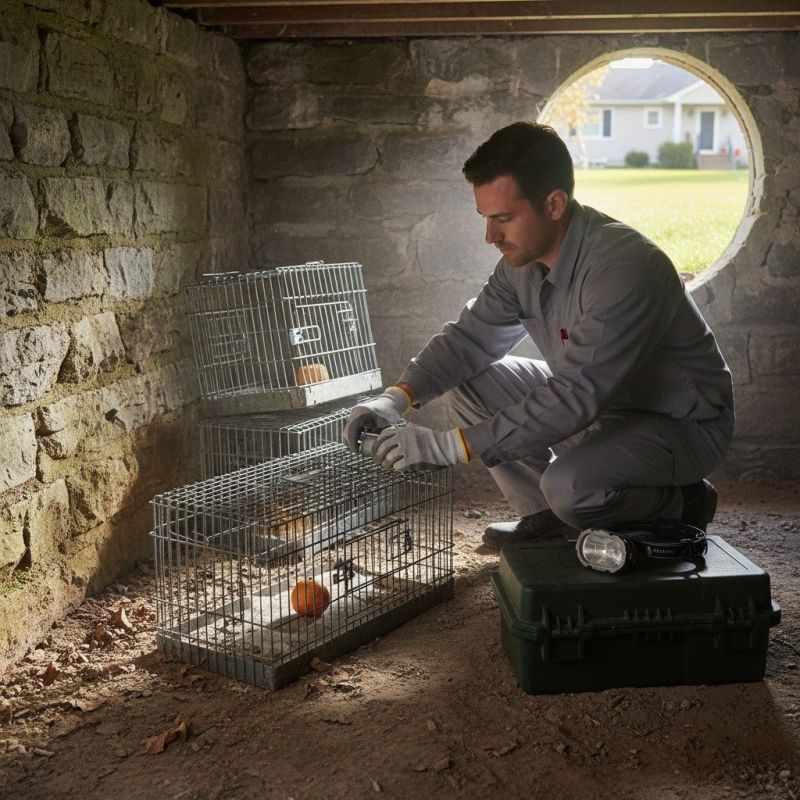
When people search for why commercial small animal control requires professional expertise, they often want to understand the complexities involved in managing pests like rodents, squirrels, or raccoons on business properties. These searches typically stem from concerns about property damage, health risks, or disruptions caused by these animals. Business owners or property managers may have experienced or worry about infestations that threaten the safety and functionality of their spaces. They seek to learn why handling these issues isn’t a simple DIY task and why specialized knowledge and skills are essential to effectively address the problem.
The problems related to commercial small animal control often involve more than just spotting animals or removing them. These issues can include identifying entry points, understanding animal behavior, and implementing long-term exclusion strategies to prevent future infestations. Sometimes, plans involve inspecting the entire property to locate hidden nests or damage that animals may have caused. In commercial settings, these problems can impact daily operations, lead to contamination of stored goods, or compromise sanitation standards. Therefore, the process requires a strategic approach that considers the specific needs of the property and the safety of everyone involved.
Properties that typically come up in these situations include warehouses, retail stores, restaurants, office buildings, and industrial facilities. These types of properties often have large, complex structures with numerous entry points, making them attractive to small animals seeking shelter or food sources. Additionally, properties with extensive landscaping or nearby wooded areas tend to be more prone to infestations. Commercial properties usually require tailored solutions that address their unique layouts and usage patterns. Local service providers with experience in small animal control understand how to navigate these environments safely and effectively, ensuring that the animals are removed and excluded without disrupting business operations.
Understanding why commercial small animal control requires professional expertise helps property owners recognize the importance of relying on experienced local contractors. These professionals have the knowledge to assess the severity of the problem, identify underlying causes, and implement effective, humane solutions. They are familiar with the specific challenges posed by different property types and understand how to handle animals safely in commercial environments. Engaging with local experts ensures that the job is done thoroughly, reducing the risk of recurring issues and protecting the property’s integrity. This makes it clear why professional assistance is a crucial part of managing small animal problems on commercial properties.
Wildlife exclusion projects involve identifying entry points and implementing barriers, skills that are essential for effective small animal control in commercial settings.
Building inspection services require careful assessment of structural vulnerabilities that small animals exploit, aligning closely with the expertise needed for animal control.
Habitat modification projects focus on altering environments to deter animals, which complements the planning skills necessary for professional small animal removal.
Pest proofing services involve sealing and securing buildings against animal entry, a task that demands detailed knowledge of animal behaviors and building structures.
Damage repair projects restore property after small animal activity, requiring familiarity with the types of damage caused and effective remediation methods.
Rodent and pest trapping services utilize specialized traps and placement strategies, paralleling the techniques used in professional small animal control efforts.
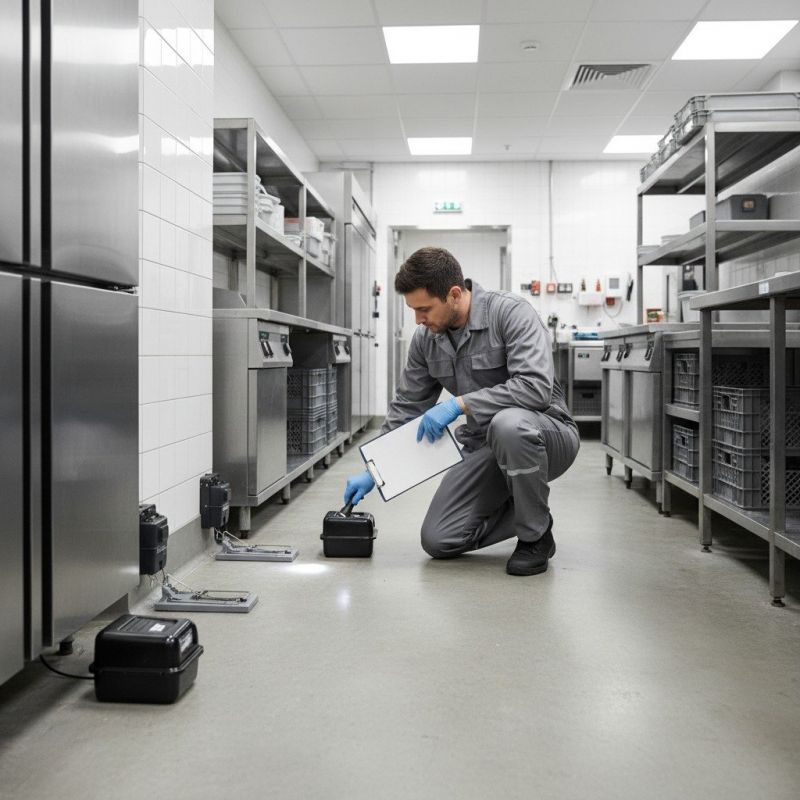
When evaluating service providers for commercial small animal control, it’s essential to consider their experience with similar projects. A contractor with a proven track record in handling commercial settings will understand the unique challenges and regulations involved. They can demonstrate familiarity with the types of animals typically encountered in such environments and the most effective methods for removal and prevention. This experience helps ensure that the chosen contractor has the practical knowledge needed to address the specific needs of a commercial property, reducing the likelihood of recurring issues or incomplete solutions.
Clear, written expectations are a key factor when comparing local contractors for small animal control services. A reputable service provider will be able to outline the scope of work, methods to be used, and any guarantees or follow-up procedures in a detailed proposal or contract. Having these expectations in writing helps prevent misunderstandings and provides a basis for accountability. It also allows property owners to compare different proposals more effectively, ensuring that all aspects of the project are transparent and align with the specific requirements of the commercial space.
Reputable references and good communication are vital indicators of a dependable contractor. References from previous commercial clients can provide insights into the contractor’s reliability, professionalism, and effectiveness in similar situations. Additionally, a contractor who communicates clearly and promptly can help property owners stay informed throughout the process, ask questions, and express concerns. This open dialogue fosters a smoother working relationship and increases confidence that the project will be managed efficiently and thoroughly, which is especially important given the complexity and importance of professional small animal control in commercial settings.
Property owners often search for why commercial small animal control requires professional expertise when they are planning practical projects around their homes and businesses. Local pros provide Commercial Small Animal Control services for everyday jobs and straightforward project options.
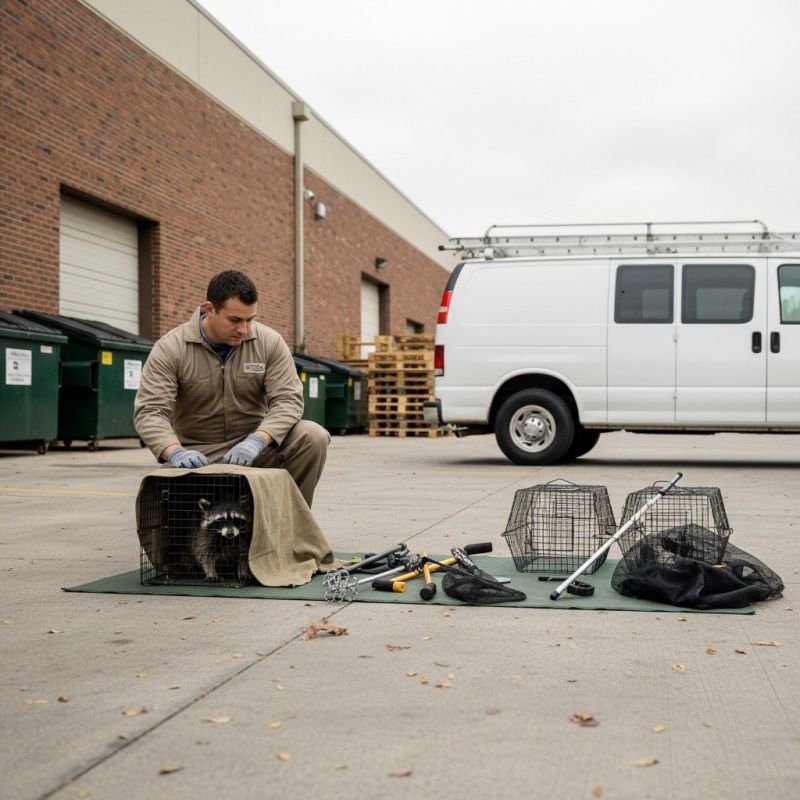
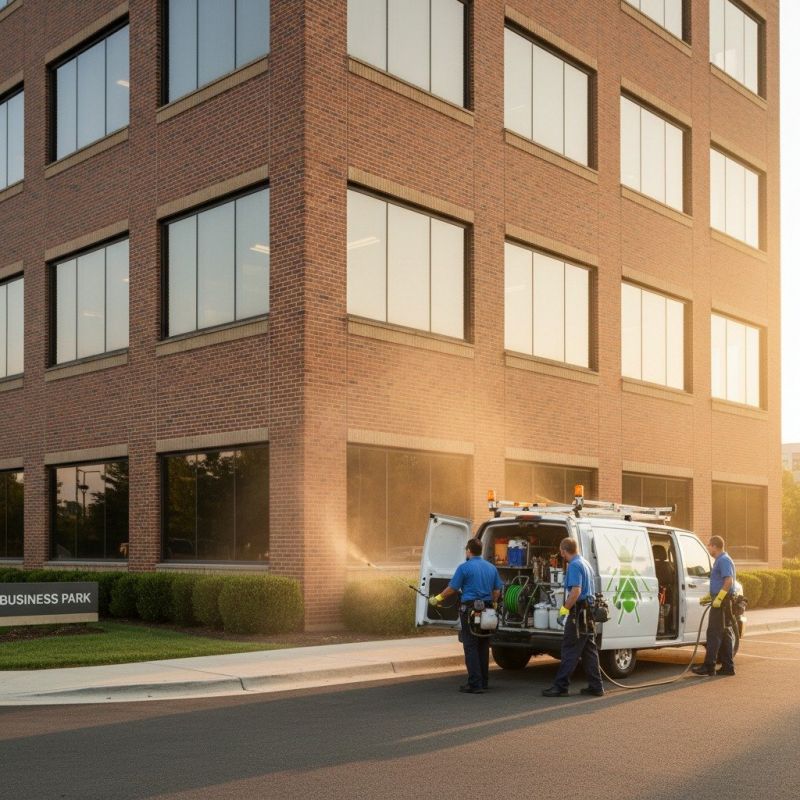
When managing a commercial property, encountering small animals such as rodents, raccoons, or squirrels can quickly turn into a complex challenge. Property owners often find themselves facing situations where animals have gained access to buildings, causing damage or creating health concerns. Addressing these issues requires more than just basic trapping or removal methods; it involves understanding animal behavior, entry points, and effective exclusion techniques. Local contractors specializing in small animal control have the experience to handle these everyday situations efficiently, ensuring the problem is dealt with safely and thoroughly.
Many property owners seek professional assistance because small animal issues can escalate quickly if not managed properly. Improper removal or exclusion efforts may lead to repeated infestations or unintended damage to structures. Additionally, some animals can be difficult to locate or remove without proper tools and knowledge. Local service providers who focus on commercial small animal control understand the importance of precise, effective solutions tailored to each property’s unique needs. This expertise helps property owners protect their investments and maintain a safe, animal-free environment.
Why does commercial small animal control require professional expertise? Professionals have the knowledge and experience to accurately identify the types of animals involved and understand their behaviors, which is essential for effective removal and prevention efforts.
What risks are involved if commercial small animal control is handled without professional help? Without proper expertise, there is a higher chance of injury, ineffective removal, or damage to property, as well as potential health hazards from animal droppings or bites.
How do local service providers ensure humane treatment during small animal control? Experienced contractors follow established protocols to safely and humanely remove animals, minimizing stress and harm to the animals involved.
Why is it important for commercial small animal control to be performed by trained professionals? Trained professionals understand the complexities of different animal species and use appropriate methods to ensure the job is done efficiently and safely.
What makes professional expertise essential for ongoing small animal management in commercial settings? Professionals can develop effective strategies for prevention and ongoing control, reducing the likelihood of future infestations and property damage.
Understanding animal behavior - Professionals can assess how different small animals might interact with a property, helping property owners develop effective control strategies.
Identifying entry points - Local contractors can locate and seal access points that animals use to enter buildings, preventing future infestations.
Choosing appropriate control methods - Experts can recommend safe and effective techniques tailored to specific animals and property conditions.
Ensuring legal compliance - Professionals stay informed about regulations related to small animal control, ensuring projects meet all legal requirements.
If you are thinking about why commercial small animal control requires professional expertise for a property, this guide is meant to help you understand this topic, the typical project types, and how different options might fit your plans.
When you are ready, you can use the quote form on this page to share a few details about your project. From there, local pros can review the basics and follow up with options that match what you have in mind.